 EN
EN  TH
TH 

Searching on the Internet continues to grow and evolve but now, AI has started making its presence felt. Google’s AI Overviews now appear in over 50% of all search queries, which is double the rate from just six months ago.
For businesses that have invested years building their search presence, this raises an urgent question: does traditional SEO still matter when AI is answering questions directly? The short answer is yes, it still does matter but there is a little more to this story.
Traditional SEO isn’t dead but AI search has become an important factor that SEO strategy accounts for in any comprehensive plan. We have learned so much over the last few months about understanding how SEO and AI search work together and we believe it is now essential to ensure both are addressed appropriately when we work with our clients.
What is Traditional SEO and How Does It Work?
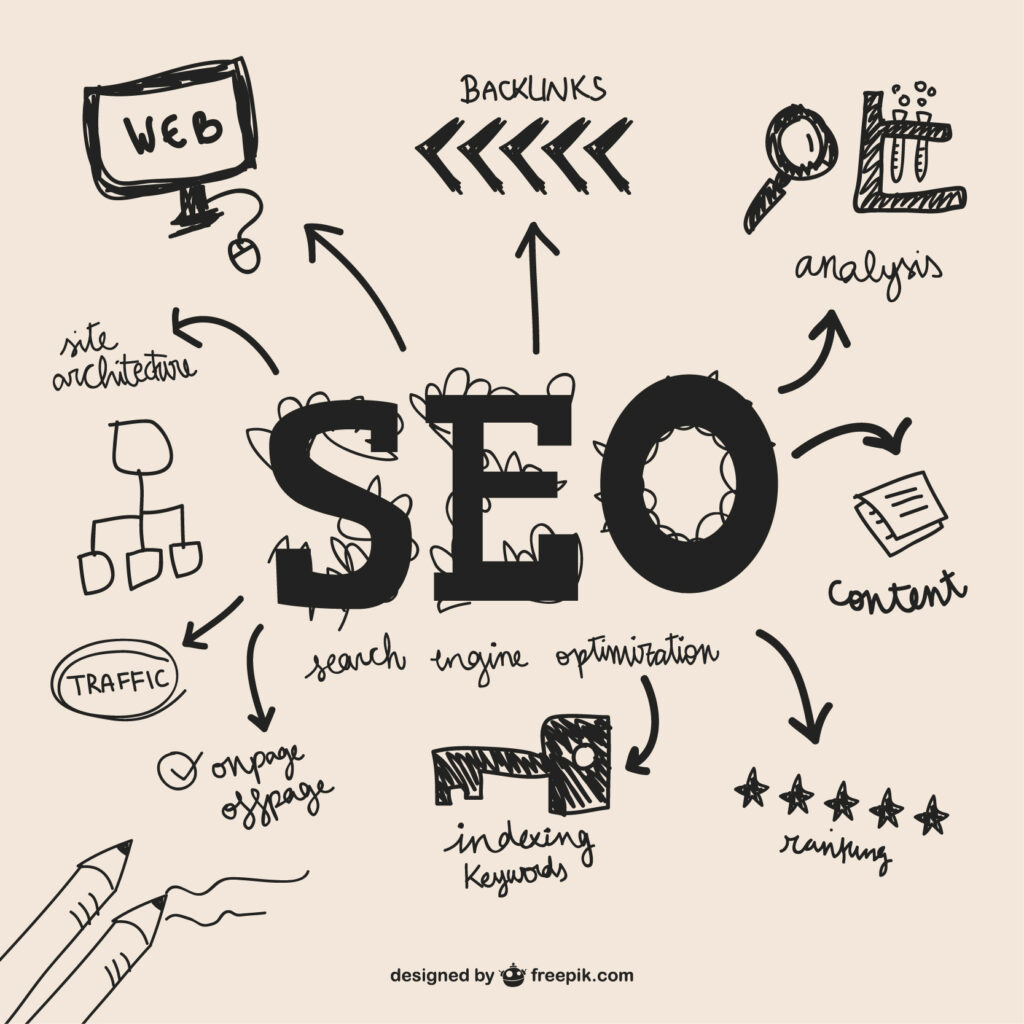
Traditional SEO is the practice of optimizing websites to rank higher in organic search results. At its core, it involves three main pillars: on-page optimization (keywords, content quality, meta tags), off-page optimization (such as backlinks from authoritative sites), and technical SEO (site speed, mobile-friendliness, crawlability etc). The goal has always been straightforward: appear on the first page of Google for relevant searches, ideally in the top three positions and benefit from this highly visible search position.
This model has dominated for over two decades, creating entire industries around keyword research, link building, and content optimization. For most businesses, the question “is traditional SEO worth investing in?” had a clear answer: yes, absolutely.
How AI Search Is Changing the Game
Enter AI-powered search. Google’s AI Overviews, ChatGPT Search, and Perplexity represent a fundamental shift in how people find information online. Instead of presenting a ranked list of links, these platforms generate new answers that pull information from multiple sources, displaying them at the top of search results with selective citations.
The numbers tell a compelling story. AI Overviews now appear in more than half of all Google searches, with particularly high coverage in healthcare (63% of queries), science (22% growth), and informational topics (99.2% of AI Overview keywords). This creates what experts call the “zero-click” phenomenon, where users get their answers without ever visiting a website. Research from Ahrefs found that AI Overviews correlate with a 34.5% reduction in click-through rate for the number one organic position.
The implications extend beyond Google. ChatGPT is projected to capture significant market share in 2025, while Perplexity and Microsoft Copilot continue gaining users. We are slowly moving from a Google-dominated landscape to a multi-platform search ecosystem where AI synthesis, not link clicking, becomes the primary user experience.
However, it is important to point out that while we have mentioned that ChatGPT is capturing “significant” market share, this is still very much in the single digits compared to Google’s still-dominant position, which hovers around 85-90% of market share depending on how you measure it.
Traditional SEO vs AI Search: The Critical Distinctions
Understanding the differences between traditional SEO and AI search optimization reveals why strategy must evolve. Traditional search ranks entire pages in list format while AI search synthesizes information and selectively cites supporting evidence.
The authority signals have shifted dramatically. While backlinks remain important, brand mentions now show three times stronger correlation with AI citations than backlinks alone. As one SEO expert explains, “LLMs are predictive language models trained on a huge corpus of web text. The signals determining your brand’s visibility are rooted in text and language, not just link graphs.
Perhaps most critically, the relationship between keywords and content has transformed. AI Overviews mention exact keyword phrases only 5.4% of the time, focusing instead on semantic meaning and comprehensive topic coverage.
The systems analyze semantic similarity between page content and user queries rather than matching keywords. This means content must demonstrate true topical authority through depth and structure, not just keyword placement.
Yet here’s the paradox that changes everything: 92% of AI Overview citations still link to domains ranking in the organic top 10. The median ranking position for cited URLs sits at position 3.
Traditional SEO creates the foundation that makes pages eligible for AI consideration even as AI systems apply different selection criteria once evaluating that pool.
Is SEO Worth It When AI Answers Everything?
So, is SEO worth it in this new landscape? The answer is an emphatic yes but with important caveats about how strategy must adapt.
Traditional SEO remains essential because it creates the visibility that AI systems draw from. Multiple studies consistently show that 75-92% of pages appearing in AI Overviews already rank in top organic positions. Without strong traditional SEO fundamentals, such as quality backlinks, technical excellence, authoritative content, pages simply don’t enter the consideration set for AI citations. Think of traditional SEO as the foundation and AI optimization as the enhancement layer.
The traffic patterns reveal a nuanced reality. BrightEdge reports that click-throughs declined 30% year-over-year despite total search impressions increasing 49%. However, traffic quality has measurably improved.
HubSpot reported an 80% traffic drop but 21% revenue growth in 2024. Google claims that “clicks from AI Overviews are higher quality, where users are more likely to spend more time on the site.”
The strategic implication is clear: businesses should prepare for potential traffic volume declines while focusing on conversion quality and revenue metrics. The old model of ranking for everything and maximizing clicks gives way to ranking for the right things and earning qualified traffic. Abandoning traditional SEO to chase AI-only tactics would be catastrophic because you’d lose both the organic rankings and the eligibility for AI citations.
How to Optimize for Both Traditional and AI Search
Now we are implementing strategies that integrate both approaches rather than choosing one over the other. Success requires maintaining traditional SEO excellence while adding specific optimizations for machine readability and authority signals.
As always we start with the fundamentals: continue building quality backlinks from authoritative sites, maintain technical SEO excellence (fast load times, mobile optimization, clean code), and create high-quality content that serves user intent. These remain non-negotiable for achieving the top-10 rankings that make AI citation possible.
Then we layer in AI-specific enhancements. Implement schema markup (FAQ, How-To, Article types) using JSON-LD format to provide explicit content structure that accelerates AI processing. Controlled studies found that only pages with well-implemented schema appeared in AI Overviews. Structure content with answer-first formatting where direct answers are placed in the first 2-3 paragraphs using clear, simple language and then provide comprehensive depth addressing multiple levels of inquiry.
When it is possible we build citation-based authority through brand mentions and digital PR. Focus on earning media mentions, securing placements in highly-ranked comparison articles and “Top X” lists, creating original research that others reference, and participating in community discussions where AI sources pull information. Brands in the top 25% for web mentions average 169 AI Overview mentions, which is over 10 times more than brands in the next quartile, according ahrefs
Finally, we stay on top of things by tracking these new metrics beyond traditional rankings. We need to monitor AI Overview presence rate for your target keywords, share of voice in AI citations compared to competitors, brand mention volume across platforms, and conversion rates from AI traffic. The landscape requires new measurement frameworks to understand true visibility.
For Thai businesses navigating this transition, working with experts who understand both traditional SEO fundamentals and emerging AI optimization becomes crucial. At Spyder, we help companies across Thailand future-proof their search visibility by implementing integrated strategies that capture opportunity in both traditional and AI-powered search.
The Future of Search Visibility
Traditional SEO and AI search are complementary forces that together define modern search visibility. The businesses that thrive will be those that maintain excellence in SEO fundamentals while adapting quickly to AI-specific requirements. The data shows that early adopters gain disproportionate advantages, with top brands capturing exponentially more AI citations than competitors.
The window for strategic advantage remains open but closes rapidly as AI Overview adoption accelerates past 50% of queries and continues toward universal deployment. Success requires expertise in both traditional optimization and AI-specific factors like schema implementation, semantic content structure, and citation-based authority building.
As a business, you’re optimizing for the complete search landscape, not just a part of it. Those who adapt quickly while maintaining quality and trustworthiness will capture the biggest share of visibility in the AI-powered search era.